Sustaining the lPG gas cylinders: The Current State of Domestic Energy in India 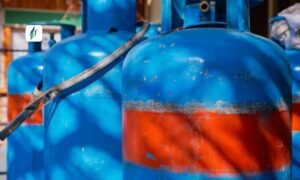
For millions of families in India, the red cylinder is not simply a kitchen gadget; it stands for a convenient and healthy way of living. As 2026 is upon us, the domestic fuel sector is experiencing a complete overhaul, thanks to stringent government initiatives and changing lifestyle of an enormous population. The mainstay of Indian life, the lPG gas cylinders being brought to doorsteps, is not only a good visual but also the supply chain behind it is much more complicated than ever before.
Starting from subsidy reforms and ending with the difficulties of global supply chains, the tale of cooking gas in the country is also the evolution of its energy sector. Dealing with Price Fluctuations and Policy Changes For the average Indian consumer, the cost of a refill is probably the highest on their list of worries in 2026. In fact, this March prices of domestic LPG usage increased substantially by 60 per unit, which was the highest increase in the last few years and this has pushed the price of the standard 14.2 kg cylinder to approximately 913 in metro cities like Delhi and Mumbai.
The biggest factor affecting the price is the oil price mentioned in the international Saudi Aramco contract which is considered the global standard. Those who cannot afford it have been protected by the government through its continuous implementation of the Pradhan Mantri Ujjwala Yojana (PMUY).
Strategic Priority in Times of Global Uncertainty
The current year has brought unique challenges to India’s energy security due to geopolitical tensions in West Asia. With nearly 60% of the nation’s demand met through imports, any disruption in the Strait of Hormuz sends ripples through the domestic market. In response, the Indian government recently invoked the Essential Commodities Act to prioritize residential energy. Under the Natural Gas (Supply Regulation) Order of 2026, the production of gas for domestic use has been elevated to the highest priority status.
This means that even when global shipments face “force majeure” declarations, the available domestic gas is diverted first to ensure that the filling plants for lPG gas cylinders remain operational. By cutting back on gas allocations for petrochemical and industrial sectors, the administration has placed a protective shield around the Indian kitchen. This strategic maneuver highlights the essential nature of cooking gas as a public utility, ensuring that despite international turmoil, the domestic supply remains resilient and consistent for over 300 million active consumers.
Technological Safety and the Path to Saturation
Safety and accessibility are the twin pillars supporting the current industry expansion. India has reached a point where coverage is nearing saturation, with over 10.5 crore connections released under the Ujjwala program alone. To manage this vast network, the government has proposed the Gas Cylinders (Amendment) Rules, 2026. These updates focus on streamlining the import of high-quality valves and regulators and enhancing safety standards for “other flammable gases” stored alongside traditional fuels.
Furthermore, the introduction of composite lPG gas cylinders—made of lightweight, explosion-proof fiberglass—is gaining momentum in urban centers. These modern vessels are translucent, allowing users to monitor fuel levels visually, and are significantly easier to handle than traditional steel tanks. As the infrastructure for Piped Natural Gas (PNG) expands in Tier-1 cities, these portable solutions are simultaneously evolving to serve as the primary energy source for rural and semi-urban India, where pipeline reach is still years away.
Looking Ahead: A Greener Transition
The future of cooking energy in India is increasingly looking toward a “hybrid” model. While the reliance on lPG gas cylinders is expected to grow by 5% this fiscal year, there is a concurrent push for Bio-LPG and increased ethanol blending in the broader energy mix. The government’s commitment to achieving “One Nation, One Gas Grid” aims to make natural gas more competitive, but the portable cylinder remains the undisputed king of reach.
As we move through 2026, the focus remains on ensuring that no household is forced back to the harmful smoke of traditional biomass. Through a combination of strategic gas pooling, technological innovation, and targeted financial support, the humble tank continues to fuel India’s growth. Whether it is through the transition to lightweight composites or the security provided by emergency supply orders, the ecosystem of lPG gas cylinders continues to adapt, ensuring that the blue flame in every Indian home stays lit.