Understanding the Global Climate Impact of What is El Nino and How It Works
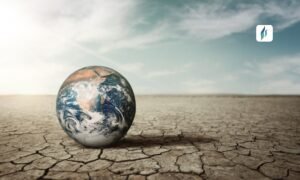
Out past the edge of most maps, the Pacific hums with a hidden pattern – its pulses shape how much rain soaks Australian soil, how fiercely snow cuts through Californian skies, even how warm the planet feels on average. Driven by seawater growing hotter than usual along the tropics’ eastern flank, this shift tugs at the bones of Earth’s weather engine. Before anything else, it helps to ask: what actually sparks El Nino? Not some isolated flicker, but part of a broader swing – one half of something called the El Nino Southern Oscillation. Even if your home sits far from any coast, its influence sneaks in sideways, nudging wind lanes high above, tilting where warmth pools and where cold digs in. Few realize how deeply a single stretch of sun-heated water can twist fate thousands of miles away.
The Hidden Process of Rising Ocean Temperatures
West to east they usually go, those steady trade winds across the tropical Pacific, hauling warm surface water toward Asia and Indonesia. Because of this pull, deeper seawater – chilly and full of nutrients – surges upward near South America, what people call upwelling. But when things start changing in the climate, something odd happens: the winds lose strength or flip direction entirely. Without their usual shove, the warm pool sitting in the western ocean slowly creeps back eastward, shifting everything. Floating warm water piles up near Peru and Ecuador because chilly deep currents get blocked. When winds weaken suddenly, it sets off El Nino – heat stored in the ocean surges upward, spreading through air above. That burst changes storm paths far away, nudging rainfall here, drought there, without warning.
Shifting Weather Patterns and Global Consequences
As the heat moves across the ocean, the atmosphere reacts with equal intensity. The rising warm air over the eastern Pacific alters the path of the jet streams—the high-altitude air currents that act as highways for weather systems. In North America, this often results in a more southernly track for the polar jet stream, bringing cooler, wetter conditions to the southern United States while leaving the northern states and parts of Canada unusually warm and dry. Across the globe, the impact is often more severe. Countries like Australia and Indonesia frequently face devastating droughts and wildfires as the rain that usually sustains their agriculture migrates eastward. The sheer scale of these shifts illustrates why understanding what is El Nino remains a priority for meteorologists, as the phenomenon can turn fertile lands into dust bowls and arid deserts into flood zones within a single season.
Marine Life and the Economic Ripple Effect
The consequences of this warming extend far beneath the ocean’s surface, impacting biological diversity and local economies. The suppression of upwelling during these cycles is catastrophic for marine ecosystems. Without the surge of cold, nutrient-dense water, the supply of phytoplankton dwindles, causing a collapse in the food chain. Commercial fisheries, particularly those focused on anchovies and sardines off the South American coast, see their yields plummet, leading to significant economic distress for coastal communities. Furthermore, the increased water temperatures can trigger widespread coral bleaching, as the sensitive organisms expel the algae they need to survive. When we examine what is El Nino through a biological lens, it becomes clear that it is more than just a weather report; it is a profound disruption of the natural order that affects everything from the smallest plankton to the global price of seafood.
Looking Toward the Horizon of Climate Variability
Predicting these events has become a cornerstone of modern climate science, utilizing an extensive network of buoys, satellites, and sophisticated computer models. Because the cycle typically lasts between nine and twelve months, early detection is vital for disaster preparedness and resource management. While these events have occurred for centuries, scientists are currently investigating how rising global temperatures might influence their frequency or intensity. While it is a naturally occurring cycle, its interaction with human-induced climate change adds a layer of unpredictability to future forecasts. By continuing to study what is El Nino, researchers hope to provide better lead times for farmers to choose drought-resistant crops and for cities to reinforce their flood defenses. The ability to anticipate these shifts is our best tool for mitigating the inevitable disruptions brought about by the Pacific’s most powerful pulse.
Beyond the Warming Phase
The end of a warming cycle does not always mean a return to “normal.” Often, the pendulum swings in the opposite direction, ushering in a cooling phase known as La Nina. This constant tug-of-war between warm and cold extremes ensures that the Earth’s climate is never truly static. As we move forward, the focus remains on resilience and adaptation. Understanding the nuances of what is El Nino allows society to move from a state of reactive panic to one of proactive planning. Whether it is managing water reservoirs in anticipation of a dry spell or preparing emergency services for a rain-heavy winter, the knowledge gained from tracking these oceanic shifts is indispensable. The Pacific Ocean will continue its rhythmic warming and cooling, and our survival depends on our ability to listen to what the water is telling us.
Read Also: The Ultimate Guide to E85 and the Future of Performance Fuel