The Ultimate Guide to E85 and the Future of Performance Fuel 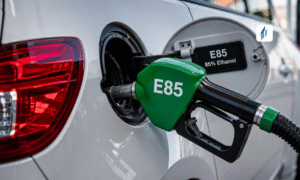
Cars are changing fast, while people behind the wheel keep looking for ways to get strong engine output without harming nature too much. Because electric cars and mixed-power systems are getting more common now, a special kind of fuel called e85 has started drawing attention – not just from gearheads but also from those who care about emissions. Made with as much as 85 percent ethanol combined with regular gasoline, it stands out when compared to standard refueling choices at most stations. When you learn what happens inside the engine using e85, see where its strengths really show, plus know what adjustments a car must have beforehand – it becomes easier to judge whether trying this mix fits how you drive.
The Science Behind High Ethanol Fuel
Inside the combustion chamber, things shift when e85 enters the mix. Ethanol packs extra oxygen, so flames spread unlike those from ordinary or top-tier gas. What stands out? Its octane level – usually somewhere near 100 to 105. That number means tighter squeezes in the cylinder can happen, along with bolder spark schedules and heavier turbo push – all while avoiding damaging pings. Think of e85 like a chill breeze through hot parts, dragging down heat before burning begins. Power climbs – not by chance – but because conditions let strength grow without tipping into danger.
Environmental Impacts and Renewable Benefits
Beyond the racetrack and performance tuning shops, e85 serves a vital role in reducing the carbon footprint of the transportation sector. Because ethanol is primarily derived from renewable agricultural crops like corn and sugarcane, e85 is considered a much more sustainable option than fossil fuels. When you fill up your tank with e85, you are participating in a cleaner combustion process that releases fewer greenhouse gases and harmful tailpipe emissions into the atmosphere. While it is true that producing ethanol requires agricultural resources, the overall lifecycle emissions of e85 are noticeably lower than those of traditional petroleum products, making it a viable stepping stone toward a cleaner automotive future.
Modifying Your Vehicle for Ethanol Compatibility
You cannot simply pour e85 into any standard vehicle without taking proper precautions, as ethanol is inherently corrosive to certain materials. Standard fuel systems are designed for low-ethanol blends, meaning that running e85 in a non-compatible car can quickly degrade rubber lines, seals, and standard fuel pumps. To safely enjoy the benefits of e85, your vehicle must either be a factory-designated Flex-Fuel vehicle or be retrofitted with an aftermarket conversion kit. These conversions typically involve installing larger fuel injectors and a robust fuel pump capable of delivering the higher volume of fuel that e85 demands, alongside a digital flex-fuel sensor that automatically adjusts the engine tune based on the exact ethanol percentage in the tank.
Balancing Cost Efficiency and Fuel Economy
While the performance gains and environmental perks of e85 are incredibly tempting, drivers must also weigh the financial realities of daily driving on ethanol. On a per-gallon basis, e85 is generally priced lower than premium gasoline at the pump, which can make it look like an immediate bargain. However, because ethanol has a lower energy density than gasoline, your engine will require roughly thirty percent more e85 to travel the exact same distance. This means your fuel economy will noticeably drop, resulting in more frequent trips to the gas station. For many drivers, the trade-off is entirely worth it for the massive boost in engine power and the joy of driving a cleaner machine, but it remains a crucial factor to calculate if you are managing a strict monthly commuting budget.
Read Also: The Evolving Role of the Information Officer in Modern Corporate Strategy