The Growing Economic Divide: Strategies to Bridge the Global Wealth Gap Today
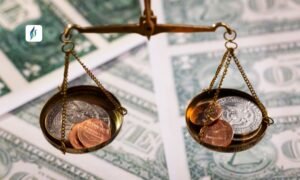
What stands out now isn’t tucked away in reports – it shapes how money splits people today. Look around, see gaps grow not only in wallets but also in years lived, schools reached, signals received. Those on top float further from those who work, leaving steps missing from any climb up. Seeing how this split works might lead somewhere real – where chances aren’t handed out like favors.
The Hidden Frameworks Behind Unequal Wealth
Deep down, today’s income gaps began when factories gave way to apps and services. Back then, regular paychecks and solid health coverage came from making things. Now machines do more work, jobs move overseas, leaving old routes broken. Money now flows less from sweat, more from stock jumps and software ideas. People with money to invest see it multiply fast; others paid by the hour fall behind even as rent and doctor visits cost more. That gap keeps widening without slowing.
Cheap things reach shoppers easier now, yet town by town the money gaps grow wider. Big city lights pull ahead fast – money pools there, tech booms, chances multiply. Left out? Quiet towns once built on steel, coal, wheels turning day after night. Smarter folks drift away when schools fade, jobs vanish, hope thins. Empty streets feed emptier futures, fewer people staying means less care, less voice. Stretch this pattern far enough and trust between places snaps. Anger builds quietly until it does not stay quiet – the split shows up loud at polls, in protests, through every daily talk gone sharp.
The Education and Technology Bottleneck
In an era defined by rapid innovation, education serves as the primary engine of social mobility. Yet, the economic divide has transformed the educational system into a gatekeeper rather than a gateway. High-quality early childhood education and elite university degrees are increasingly tied to a family’s postal code and net worth. This creates a “meritocracy trap” where the children of the affluent receive the specialized training and networking opportunities required to thrive in a high-tech economy, while children from lower-income backgrounds attend underfunded schools that struggle to provide basic digital literacy.
The digital revolution was once heralded as a great equalizer, but it has often exacerbated the existing economic divide instead. Access to high-speed internet and the latest hardware is now a prerequisite for participating in the modern workforce. Those without these tools are effectively locked out of the “gig economy” and remote work opportunities that might otherwise provide a lifeline. As artificial intelligence continues to reshape the labor market, the premium on high-level cognitive skills will only increase. Without a concerted effort to democratize technical education, the gap between the “digital elite” and the technologically displaced will become an unbridgeable canyon.
Policy Levers and the Path to Reintegration
Addressing the economic divide requires a move away from passive observation toward active policy intervention. Progressive taxation and the closing of corporate tax loopholes are often cited as primary tools for redistribution, but the solution must be more holistic than simply moving money from one pocket to another. Real change involves “pre-distribution”—structuring the market so that it naturally produces more equitable outcomes. This includes strengthening labor protections, increasing the minimum wage to reflect the actual cost of living, and investing heavily in public infrastructure that connects marginalized communities to economic centers.
Social safety nets also play a crucial role in mitigating the harshest effects of the economic divide. When healthcare and housing are treated as fundamental rights rather than market commodities, the precariousness of low-wage work is significantly reduced. By lowering the “floor” of poverty, societies can provide their citizens with the stability needed to take risks, start businesses, and pursue higher education. This isn’t just about charity; it is about economic efficiency. A society that leaves a large portion of its human capital on the sidelines is a society that is not operating at its full potential.
Future Horizons and Collective Resilience
As we move further into a decade of uncertainty, the economic divide remains a challenge that requires collective action from both the private and public sectors. Corporations are beginning to realize that extreme inequality is bad for business; a consumer-driven economy cannot thrive if the majority of consumers lack discretionary income. We are seeing a slow shift toward “stakeholder capitalism,” where companies weigh their impact on employees and communities as heavily as their returns to shareholders. While these corporate social responsibility initiatives are a positive sign, they cannot replace the foundational role of government in ensuring a level playing field.
The long-term health of our global civilization depends on our ability to narrow the economic divide. It is not an inevitable byproduct of progress, but a result of specific choices made in boardrooms and legislative chambers. By prioritizing inclusive growth and reinvesting in the common good, we can ensure that the prosperity of the future is shared by many rather than hoarded by a few. The goal is not a perfect equality of outcome, but a genuine equality of opportunity—a world where a person’s potential is limited only by their imagination and effort, not by the circumstances of their birth.
Moving Toward a Shared Prosperity
Ultimately, bridging the economic divide is a moral imperative that coincides with our practical survival. History shows that societies with extreme levels of inequality are prone to instability and decline. Conversely, those that invest in their people and maintain a robust middle class tend to be more innovative, resilient, and peaceful. As we navigate the complexities of the modern world, our focus must remain on creating an economic architecture that serves humanity as a whole. This means looking beyond GDP growth and stock market indices to measure success by the well-being of the most vulnerable members of our global community.
The struggle against the economic divide is the great project of our time. It requires us to rethink our values, our policies, and our responsibilities to one another. While the task is daunting, the rewards of a more equitable world—one where every individual has the chance to contribute and thrive—are well worth the effort. By dismantling the barriers that separate us, we can build a more cohesive and prosperous future for everyone, ensuring that the wealth of our age becomes a legacy of progress rather than a monument to exclusion. Reducing the economic divide is not just an idealistic dream; it is the necessary foundation for a sustainable tomorrow.
Read Also: The Future of Digital Productivity and the Evolution of Best AI Agents