The Critical Evolution of Public Health Responses to the Deadly Ebola Virus
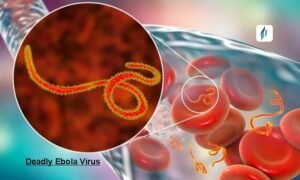
Out of nowhere, some germs show how fragile people really are when up against life’s messy biology. Ebola stands apart – not only because of old fears tied to its name, but due to the real unease it still brings today. Back in the 1970s, along a river in central Africa, scientists spotted something strange spreading quietly at first. What began as an odd local sickness soon became one focus among experts racing to understand deadly infections worldwide. To get close to what this virus does, you have to ignore loud news stories and watch instead how it moves through bodies, clashing with defenses built to fight back. It earns attention not simply by killing many it infects, rather by exposing weak spots in hospitals, borders, even communication during outbreaks.
The Biology Behind Dangerous Pathogens
A tiny trickster, the Ebola virus fools cells on sight. Shaped like thin threads, it curls into loops or forms resembling nines, part of the Filoviridae group. Contact with contaminated fluids often brings it inside humans. Instead of attacking at once, it slips into guard cells – macrophages and dendritic types – quietly taking control. These are the ones supposed to sound alarms; now they spread silence. When the body cannot launch its first line of defense quickly enough, the virus finds room to multiply fast and move into critical organs. A widespread inflammation follows, sparked by the immune system going too hard – this may trigger blood leakage inside the tissues and shutdowns across key systems. Most times, what actually ends life is not the virus itself but extreme fluid loss paired with disrupted mineral balance, driven by the body’s intense counterattack.
Environmental Reservoirs and the Path of Zoonotic Spillover
The journey of the ebola virus from the wild into human populations is a complex ecological puzzle. Scientists widely believe that fruit bats serve as the natural reservoir for the virus, carrying it without succumbing to the disease themselves. Spillover events often occur when humans come into contact with the blood or meat of infected “bushmeat,” such as non-human primates or forest antelope that have been infected by bats. As human civilization pushes further into previously untouched forest ecosystems, the frequency of these encounters naturally increases. This environmental interface is the frontline of modern epidemiology. By monitoring the health of wildlife and understanding the migratory patterns of reservoir species, researchers hope to predict and prevent future outbreaks of the ebola virus before they reach a boiling point in densely populated urban centers.
Transforming the Landscape of Treatment and Vaccination
For decades, a diagnosis of the ebola virus was seen by many as a death sentence, with limited options beyond supportive care. However, the devastating West African outbreak between 2014 and 2016 served as a catalyst for unprecedented scientific acceleration. Today, the medical community possesses tools that were once considered pipe dreams. Monoclonal antibody treatments have shown significant success in neutralizing the virus if administered early in the course of the illness. Perhaps even more revolutionary is the development of highly effective vaccines. These vaccines utilize a “ring vaccination” strategy, where contacts of an infected individual are immunized to create a buffer zone of protection. This shift from reactive containment to proactive immunization has fundamentally changed the survival calculus for those living in high-risk regions where the ebola virus remains endemic.
Strengthening the Pillars of Global Health Security
Managing the ebola virus is as much a sociological challenge as it is a biological one. Effective containment relies heavily on community trust and the integration of local customs into medical protocols. For instance, traditional burial practices often involve direct contact with the deceased, which is a high-risk activity during an outbreak. Public health officials have learned that rather than banning these practices, they must collaborate with community leaders to find “safe and dignified” alternatives. Furthermore, the global response infrastructure has evolved to prioritize the training of local healthcare workers and the deployment of mobile laboratory units. These units allow for rapid testing and diagnosis in remote areas, significantly shortening the window between the first case and the implementation of quarantine measures. The fight against the ebola virus has proven that transparency and international cooperation are the most effective barriers against the spread of contagion.
Navigating the Path Toward Long-Term Viral Eradication
The ultimate goal for global health organizations is to move beyond mere containment toward a state of permanent resilience against the ebola virus. This involves ongoing surveillance of “survivor clusters,” as researchers have discovered that the virus can persist in certain parts of the body, such as the eyes or central nervous system, long after the patient has recovered. These “persistent infections” highlight the need for long-term clinical follow-up and continued stigma reduction for those who have survived the illness. As genomic sequencing becomes faster and more accessible, we gain the ability to track the mutations of the ebola virus in real-time, ensuring that our diagnostic tools and vaccines remain effective against new strains. The road ahead is defined by a commitment to scientific rigor and a recognition that in an interconnected world, the health of one community is inextricably linked to the safety of all.