Why Piped Gas is Becoming the Preferred Energy Choice for Modern Urban Homes 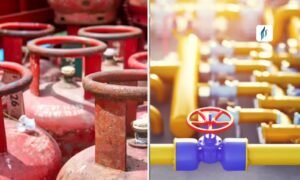
Over recent years home energy changed fast, leaving old fuels behind while reaching for options that burn cleaner and work better. Piped gas now spreads through city veins, quietly replacing older methods by bringing fire directly where needed – no heavy tanks, no delays. When buildings grow taller and neighborhoods stretch wider, needing steady heat and cooking power turns urgent. Not simply swapping one system for another, this shift shapes how homes connect, live, breathe together across crowded skylines. A quiet upgrade? Maybe. But its ripple touches everything from safety to air quality, day after day.
The Ongoing Ease of Steady Availability
Now you never need to track how much gas remains. Most people see one change first: no more calling ahead or sitting around waiting for deliveries. Instead of guessing when to reorder, fuel arrives like water – through hidden lines below the street. Because it runs nonstop, cooking for many stops feeling risky. Picture this during busy dinners. The flame stays steady, even halfway through a feast meant for ten. Running out mid-recipe just fades away.
Tucked out of sight, this setup makes clever use of tight spots. Since today’s city homes focus on smart layouts, losing the large metal tank opens up room for neater cabinets and leaves more breathing space in the kitchen. Without residents hauling heavy containers through shared halls and lifts, stairwells stay cleaner, doors last longer. Like light switches or running taps, it fades into daily life – only noticed when suddenly missed. Hidden yet always ready.
Prioritizing Safety and Modern Engineering
Safety remains a primary concern for any homeowner when dealing with flammable substances. Fortunately, the engineering behind piped gas networks is designed with multiple layers of protection that far exceed older methods of fuel delivery. One of the key safety features is the pressure at which the fuel is delivered. Unlike high-pressure cylinders that store fuel in a concentrated state, these networks operate at very low pressures. In the unlikely event of a leak, the fuel dissipates rapidly into the atmosphere rather than pooling or creating a high-risk pocket of pressure, significantly reducing the chance of accidental ignition.
Beyond the physics of the fuel itself, the infrastructure includes sophisticated shut-off valves and monitoring systems. Most installations feature an external regulator and an internal appliance valve, allowing users to cut off the flow instantly if they detect a problem. Because the fuel is lighter than air, it rises and escapes through ventilation points, unlike heavier alternatives that settle near the floor. This inherent characteristic makes piped gas one of the safest ways to handle combustible energy in a residential environment. Regular maintenance checks conducted by utility providers further ensure that the network remains robust against environmental factors and aging.
Economic Efficiency and Environmental Impact
From a financial perspective, moving to a metered system offers a level of transparency that traditional methods lack. Users are billed based on their actual consumption, much like a power bill, rather than paying a flat rate for a container regardless of how much fuel is left inside when it is exchanged. This “pay-as-you-use” model encourages mindful consumption and provides a clear picture of monthly overheads. Because the supply chain for piped gas is streamlined through permanent infrastructure, the costs associated with trucking, manual labor, and physical distribution are greatly reduced, which often translates to more stable pricing for the end consumer.
On a broader scale, the environmental advantages contribute to the global push for greener cities. This fuel source burns much cleaner than coal, wood, or even some liquid fuels, producing fewer greenhouse gas emissions and negligible particulate matter. By utilizing a piped gas network, cities can significantly reduce the number of heavy delivery vehicles on the road, which in turn lowers urban traffic congestion and decreases the carbon footprint associated with fuel logistics. It is a rare example of a utility where the most convenient option also happens to be the one that aligns best with modern environmental standards.
Integrating Future-Ready Infrastructure
As we look toward the future of smart cities, the integration of digital metering and automated leak detection is becoming standard. Modern piped gas systems are increasingly compatible with smart home technologies, allowing residents to monitor their usage via smartphone apps or receive alerts if a valve is left open. This digital layer adds a final touch of modernization to an essential service, making the home more responsive to the needs of its inhabitants. The shift toward this technology is not merely a trend but a fundamental upgrade to the way we conceptualize domestic energy.
The transition to a piped gas framework is a hallmark of a developing urban landscape that values efficiency, safety, and the environment. While the initial setup requires significant municipal investment, the long-term rewards for the community and the individual homeowner are undeniable. By simplifying the daily chores of the kitchen and providing a reliable backbone for heating and cooking, this technology allows residents to focus on what truly matters: the comfort and well-being of their families. As more neighborhoods get connected to these underground arteries of energy, the era of the heavy, inconvenient fuel canister is slowly but surely coming to an end, replaced by a system that is as reliable as the turning of a tap.