IoT Smart Factories: Transforming Manufacturing Through Intelligent Automation 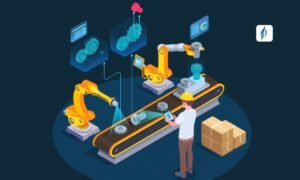
Factories are changing fast because of new digital tools that reshape daily work. Because of this, connected plants using IoT now boost speed, adaptability, and instant choices on the floor. When machines talk to sensors and software over smart links, production details become clearer. With everything linked, improvements happen faster than in older setups.
Right in the middle of it all sits connected automation. Not simply rooms packed with machines anymore, factories now behave like living networks. Devices talk to one another across these spaces, sharing signals while making sense of information on the fly. When shifts happen – equipment slows, demand spikes – they adjust without waiting. Better output comes naturally, sure – but more than that, businesses find themselves able to move fast when things change around them.
The Growth of Internet Connected Devices in Today’s Factories
Factories used to run on machines doing set tasks while people watched over them. As worldwide shipping routes grew more tangled, old methods started falling short – especially when buyers wanted unique items. Now gadgets talk to one another online, teaming up across a single system instead of working alone.
Machines talk to each other inside smart factories, sharing live updates through tiny sensors wired into every corner. Because everything links together, workers see exactly how gear is running at any moment. Problems show up early since patterns in the data hint at trouble ahead. This setup changes how things get built – bending with demand instead of sticking rigid. When one part slows, others adjust without waiting. Surprise breakdowns fade because alerts come long before crashes happen. Production breathes differently now, moving like it knows what comes next.
One of the biggest advantages of this digital approach is visibility. Factory managers can access real-time dashboards showing everything from machine utilization rates to energy consumption. This level of transparency enables better planning, reduced downtime, and more efficient use of resources. In highly competitive industries, these improvements can significantly enhance profitability and operational resilience.
Enhancing Efficiency Through Connected Automation
A key driver behind the adoption of IoT smart factories is the ability to streamline manufacturing operations through advanced automation. Traditional automated systems often function in isolation, performing specific tasks without communicating with other machines or systems. Connected technologies change this dynamic by enabling devices to share data and coordinate activities.
Applications of IoT in smart factory automation are particularly evident in predictive maintenance and production monitoring. Sensors embedded in equipment continuously measure parameters such as temperature, vibration, and pressure. When abnormal patterns appear, the system can alert technicians or automatically schedule maintenance before a breakdown occurs. This proactive approach reduces unexpected downtime and extends the lifespan of critical machinery.
Another important application involves intelligent production scheduling. Data collected from different parts of the manufacturing line can be analyzed to optimize workflow and eliminate bottlenecks. Machines can adjust operating speeds or production sequences based on demand and resource availability. Such adaptability ensures that manufacturing processes remain efficient even when conditions change.
Connected automation also improves quality control. Sensors and vision systems can inspect products in real time, detecting defects early in the production process. This reduces waste and ensures that only high-quality products reach customers.
Data-Driven Decision Making in Smart Factories
One of the most powerful aspects of IoT smart factories is their ability to convert operational data into actionable insights. Every connected device generates information that can be analyzed to identify patterns, inefficiencies, and opportunities for improvement.
Applications of IoT in smart factory automation often rely on data analytics platforms that process large volumes of machine data. These platforms use advanced algorithms to identify trends in production performance, equipment health, and energy usage. By analyzing this data, manufacturers can make more informed decisions about resource allocation, capacity planning, and process optimization.
For example, energy monitoring systems can identify machines that consume excessive power during certain operations. Managers can then adjust production schedules or upgrade equipment to reduce energy costs. Similarly, performance analytics can highlight underutilized assets, allowing companies to maximize productivity without expanding infrastructure.
The integration of data-driven insights also supports continuous improvement initiatives. Instead of relying on periodic audits or manual observations, factory teams can track operational performance in real time. This allows them to experiment with process improvements and immediately measure the impact.
Building the Future of Intelligent Manufacturing
The evolution of IoT smart factories is closely tied to the broader movement toward Industry 4.0, where digital connectivity, automation, and artificial intelligence converge. As technologies mature, factories will become increasingly autonomous, capable of self-optimization and real-time collaboration across production networks.
Applications of IoT in smart factory automation are expanding beyond equipment monitoring and predictive maintenance. Advanced robotics, digital twins, and edge computing are beginning to play important roles in shaping the next generation of manufacturing environments. These technologies allow factories to simulate production scenarios, test new processes virtually, and deploy improvements with minimal disruption.
However, the transition to connected manufacturing also brings challenges. Cybersecurity, data management, and integration with legacy systems remain key concerns for many organizations. Companies must invest in secure networks, skilled personnel, and scalable digital infrastructure to fully realize the benefits of connected automation.
Despite these challenges, the long-term advantages are difficult to ignore. Smart factories offer greater operational flexibility, improved product quality, and enhanced responsiveness to market changes. In a rapidly evolving industrial landscape, manufacturers that adopt intelligent technologies will be better positioned to innovate and compete globally.
The transformation toward digital manufacturing is already underway, and connected automation is at its core. As businesses continue to explore the potential of connected technologies, the role of IoT smart factories will only grow stronger. By harnessing data, connectivity, and intelligent systems, manufacturers are building a future where production is not only faster and more efficient but also smarter and more sustainable.